Leading Women in Water

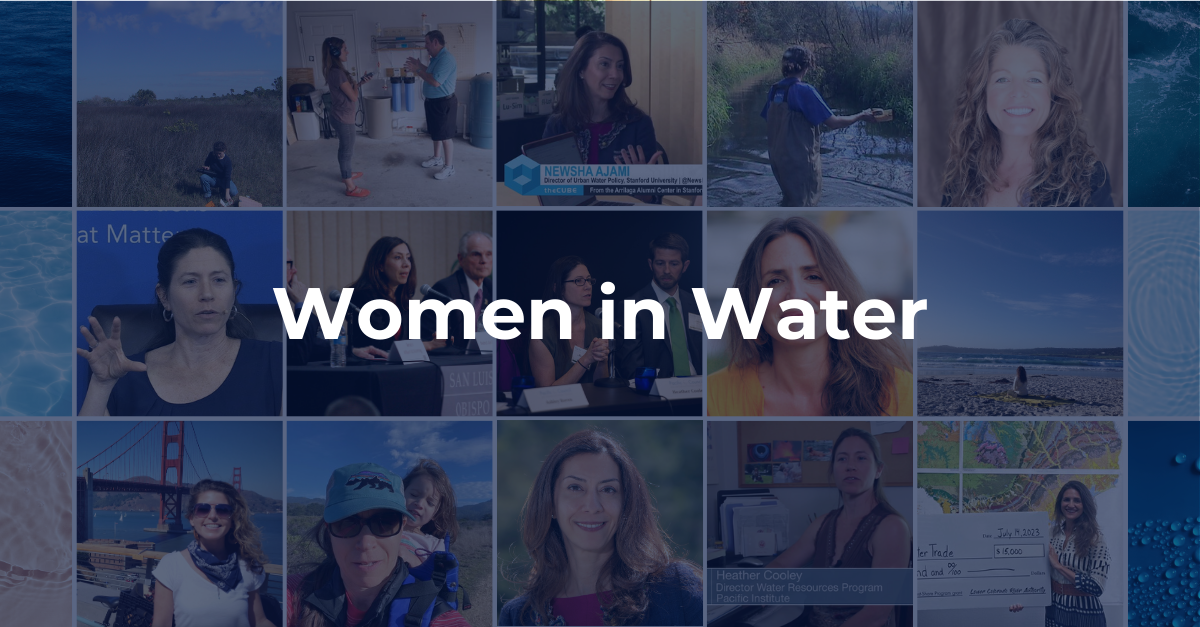
Women have left indelible marks on the water industry, contributing significantly to its advancement and innovation. Their remarkable achievements deserve a spotlight as they serve as a testament to their expertise, dedication, and resilience. For the world of water to flow and flourish, it’s crucial to align the diversity of our leadership with the diverse communities we serve.
This initiative showcases several remarkable women that we’ve had the honor of closely collaborating with in the past, all of whom are deeply dedicated to water reuse. Through this initiative, we aim to highlight the individuals driving positive change and ignite inspiration among the current and upcoming generation of female leaders.
Newsha Ajami, chief strategy and development officer for research at Berkeley Lab & commissioner at SFPUC
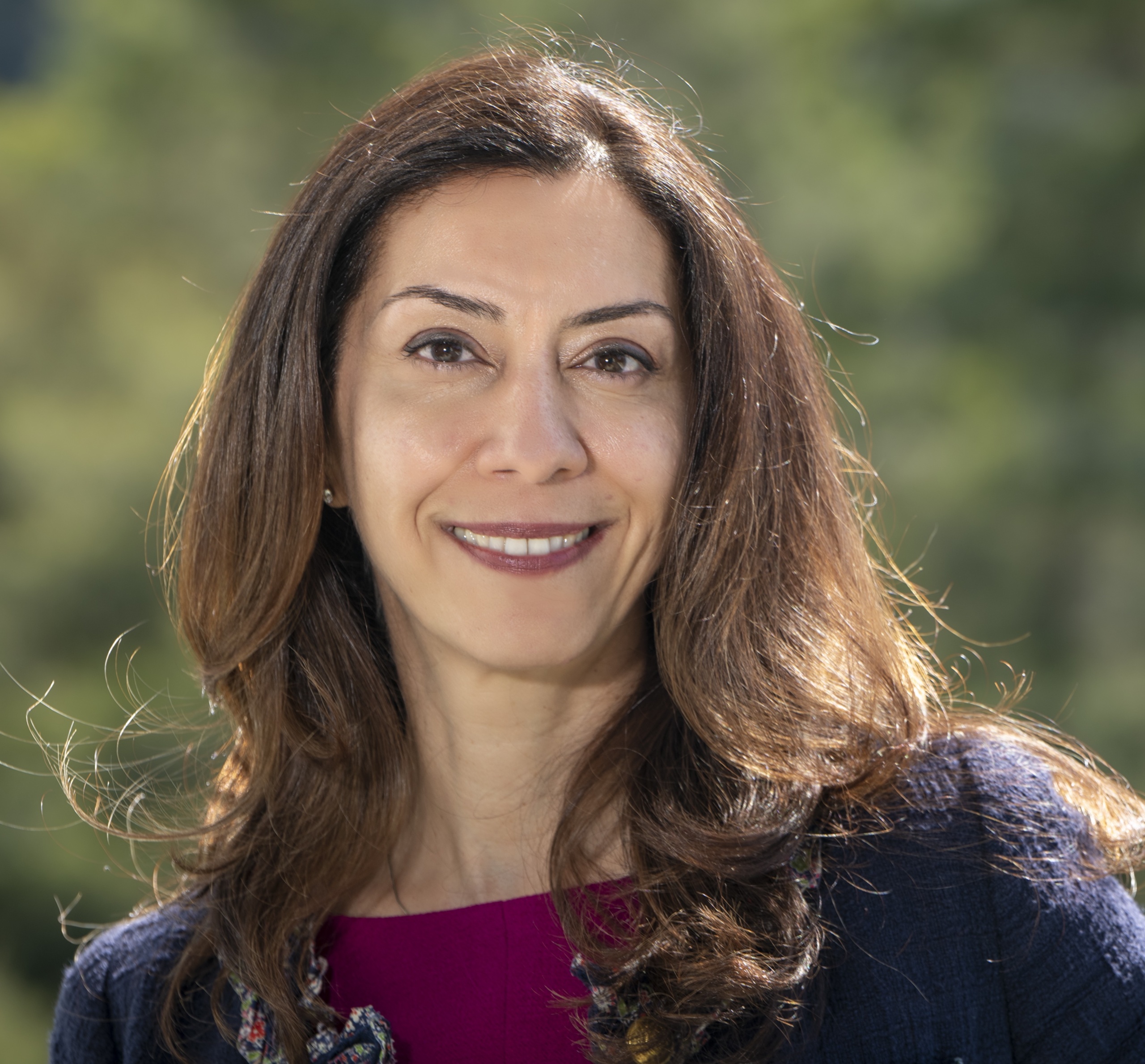
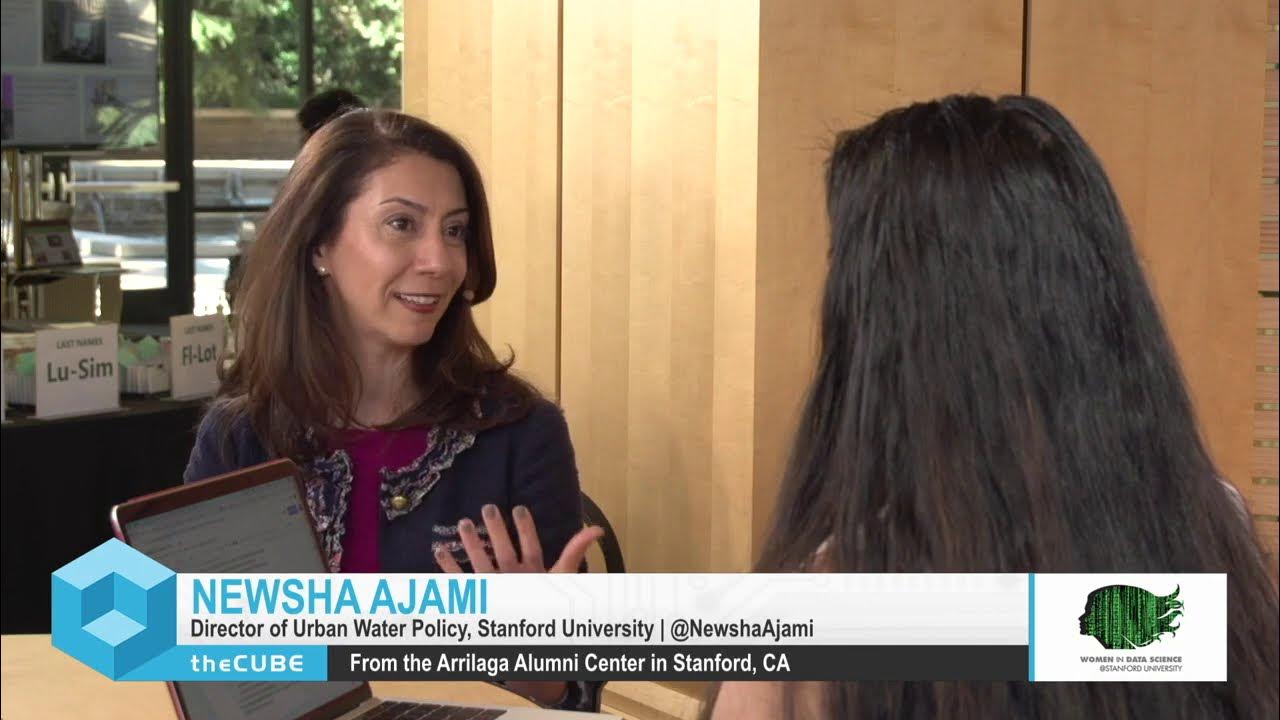

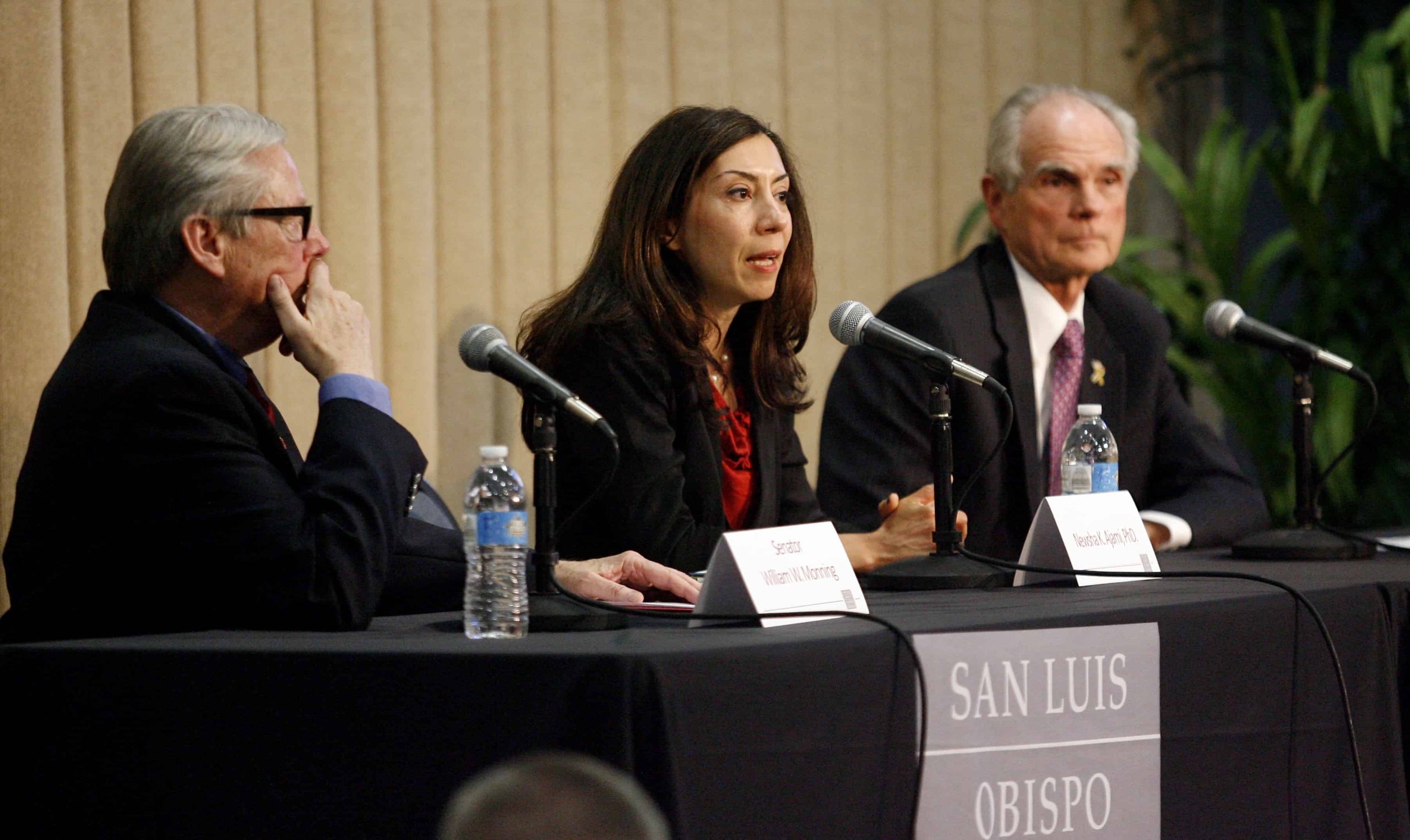
Dr. Newsha Ajami is the chief strategic development officer for research at Lawrence Berkeley National Laboratory (LBL), specializing in sustainable water management and smart cities. She holds leadership roles in various organizations, including the San Francisco Public Utilities Commission and the Bay Area Regional Water Quality Control Board. Dr. Ajami is also involved with the National Academies Board on Water Science and Technology and is a Nonresident Senior Fellow at the Brookings Institute. Previously, she founded the Stanford Urban Water Policy program and served in senior roles at Stanford University. With a Ph.D. in civil and environmental engineering from UC Irvine, Dr. Ajami’s expertise has been widely recognized through numerous publications, media coverage, and speaking engagements.
Q: Throughout your career, you’ve made significant contributions to the field of water resources through your research and publications. Can you tell us about one of your most impactful research projects and its findings?
A: During my time as the director of urban water policy with Stanford University’s Water in the West program, I worked on a study related to the California drought and the role the media plays in making people rethink their water usage. No one had explored that before. We were the first ones to do a scientific study and identify how the media drives change in water use behavior.
The study was very impactful because it provided a totally different perspective on demand management. Before, people mainly believed that conservation only happened because utilities would ask people to change their behavior. We realized that some people actually don’t pay attention to what utilities say, but often interact with the information they receive. Political actions were driving curiosity in the media space, and people started paying more attention to the water crisis in California. In conclusion, people will start listening and reacting when the media focuses on something and publishes articles on these issues.
Q: Reflecting on your professional journey, what have been some of the most valuable lessons you’ve learned, both personally and career-wise?
A: Having curiosity and passion, constantly wanting to learn, is a key part of success. Curiosity has grown my career because I never tried to fit in other people’s boxes. I know people say “I’m in the water sector,” or “I’m in the energy sector,” but I think there’s so much learning that can happen across other silos. I always try to be true to myself and see what my curiosity and passion tell me to do when I want to pursue something versus another. We can learn from each other. When we put ourselves in one group, we sometimes miss the opportunity to leapfrog, learn, and grow.
Q: In your experience, how important is diversity and gender equality in the workplace, particularly in industries like water management?
A: I think diversity of thoughts, culture, gender, and more can add a lot of value to the discussion and open the door to diverse perspectives. It is easy to get discouraged when you are in a field that’s very male-dominated or when the loud voices around the table hold authority and make you question, “Do I belong here?” or “Can I push back on these ideas?”
From my perspective, because I never shy away from engaging in a debate and dialogue, be brave and do it. If you have good ideas to put on the table and know how to back them up and have the intellectual capacity to do it, which many women do, getting involved does not have any downside. People in one space might not appreciate what you’re saying, but if you practice and you get better, you can start having an influence. And you know what? If some people don’t appreciate what you bring to the table, you don’t want to be in that space.
All voices matter, and people bring so many different and interesting perspectives to the table. You may not get it at that moment, but then you start thinking about it, and realize that you never thought about that angle. But again, people need to be open-minded, and you want to be in places where people appreciate these things.
Heather Cooley, director of research at Pacific Institute
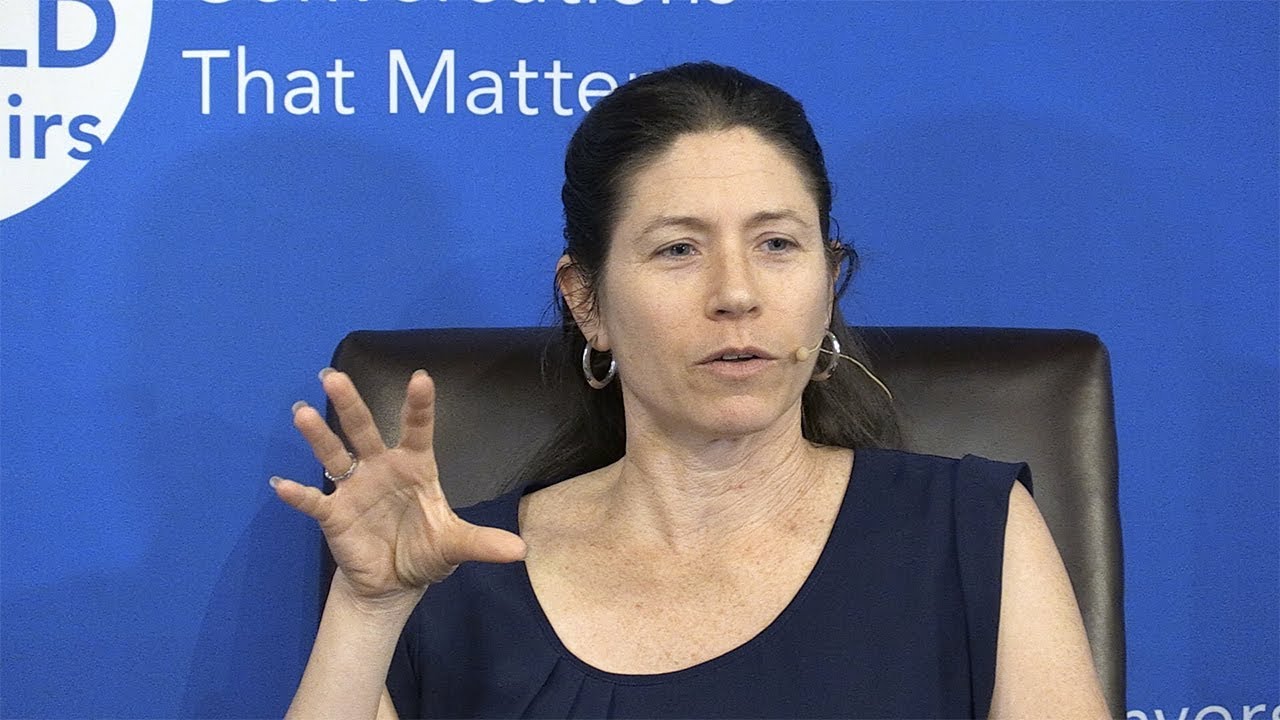

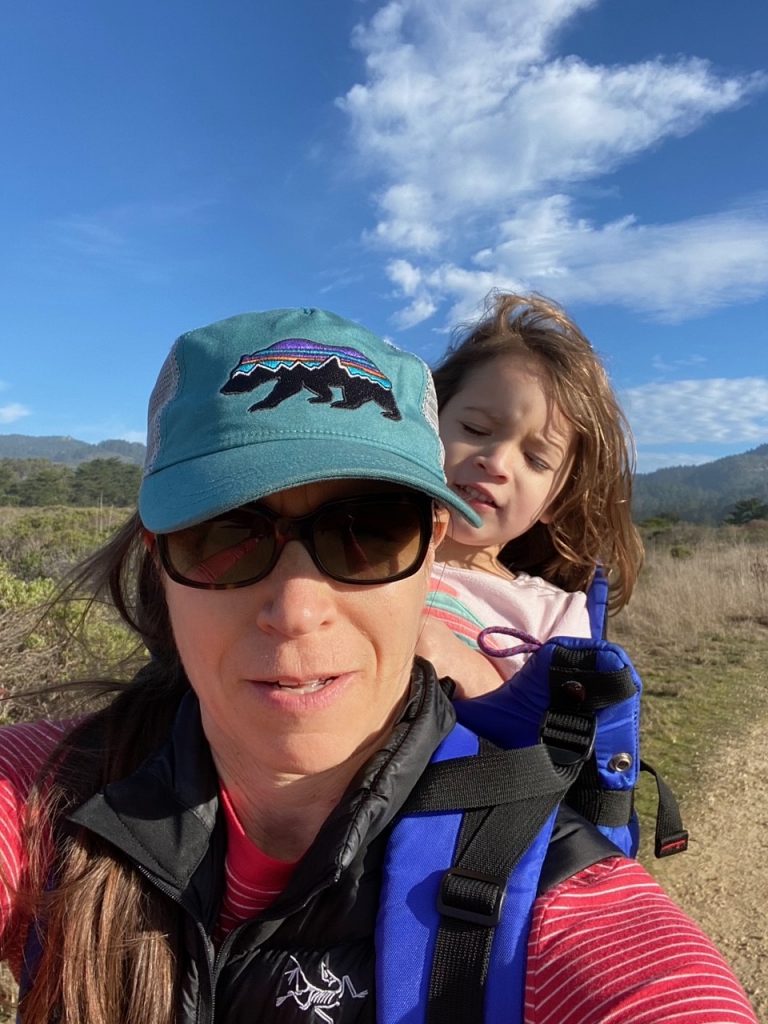
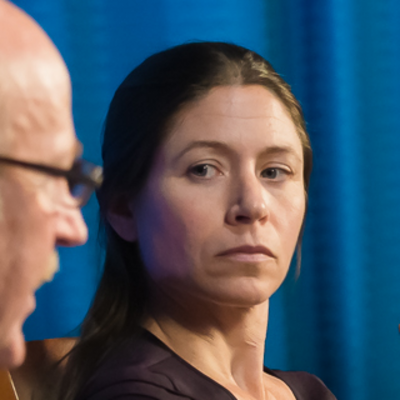
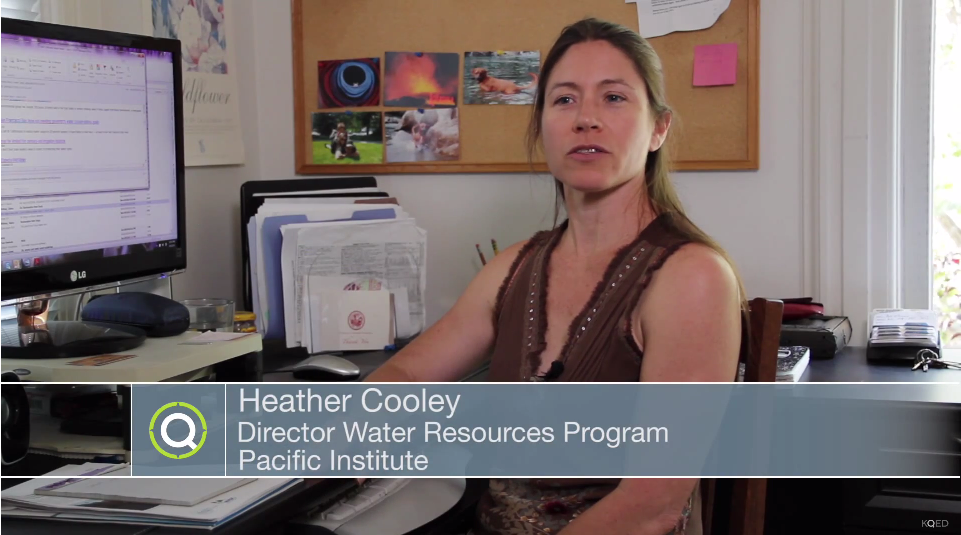
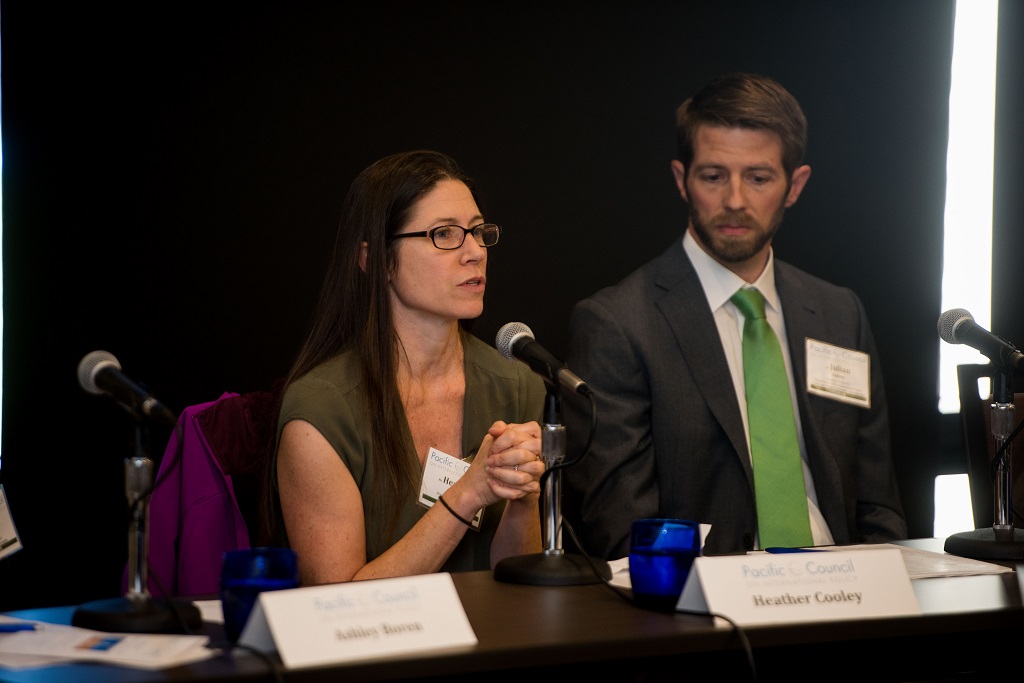
Heather Cooley, a native of the San Francisco Bay Area, developed a profound appreciation for water conservation during California’s drought in the late 1980s and early 1990s. She is currently the director of research at the Pacific Institute. She conducts and oversees research on an array of water issues, such as sustainable water use and management, the connections between water and energy, and the impacts of climate change on water resources. Heather received a B.S. in molecular environmental biology and a master’s degree in energy and resources from the University of California, Berkeley. Heather has co-authored more than a dozen books and scientific journal articles and served on multiple board and advisory committees. She also received the Outstanding Achievement Award from the US EPA for her work on agricultural water efficiency.
Q: Mentors played a significant role in guiding you through academia and helping you find a career path that aligns with your interests. Could you share how mentorship experiences have shaped your role as a leader?
A: I’ve been really fortunate to have some incredible mentors along my journey, and many of them have been women. I was fortunate enough to work with Whendee Silver, she’s a professor and researcher at UC Berkeley, and she brought me so much energy, enthusiasm, and passion for the work. She taught me the importance of seeing the big picture along with the smaller pictures. Similarly, Margaret Torn from Lawrence Berkeley National Lab, taught me the importance of kindness. She showed me how to take a systems view to address any complex challenges we face. Another mentor was Peter Gleick, the co-founder of the Pacific Institute; he was always generous with his time and expertise and really taught me the importance of speaking truth to power.
Through all these mentors, I carry their lessons with me and integrate them into my daily life as much as possible. I’ve been so lucky to have all of these fantastic mentors, and there were many more along the way, but these three stood out for me.
Q: What unique challenges have you encountered as a female professional in the field of water/sustainability?
A: Water is definitely male-dominated, although that is changing. I work with several incredible women at the Pacific Institute and with partners and colleagues across other organizations. During some of my early work, there weren’t many women in science. It was sort of seen as something that only men could do. I think since then, there has been some evolution, and now there are a lot more recognized women role models.
One of the challenges that I faced, and even now face, is trying to balance professional and family life. It created a lot of pressure, particularly with having young kids and trying to get the work done and support my team the best I could. To overcome this, I certainly had a lot of coffee and little sleep. While it was challenging, I reminded myself that some people had challenges far worse than I did. I had a job, but so many folks did not. I’m very fortunate in many ways and have had a lot of privileges as well.
Q: As someone deeply involved in research and policy advocacy related to water sustainability, what role do you see for public engagement and community involvement in shaping water management decisions and policies?
A: Public engagement and community involvement are critical for shaping water management decisions and policies. In many ways, one of the challenges in water is the fragmentation and the fact that many decisions are made at a local level. However, the upside is that there is an opportunity for people to get involved in far more than decisions made at a state or national level.
A larger portion of the public engages with local water managers through social media. The more people we interact with and the more ideas we put out there, the better the decisions will be in the long term. Many of the decision-making bodies tend to be mostly white men. So, where we can bring in a diversity of outside voices, experiences, and understandings of the issues, we will ultimately create better and more durable solutions.
Melissa Gunter, water resource control engineer at San Francisco Bay Regional Water Quality Control Board
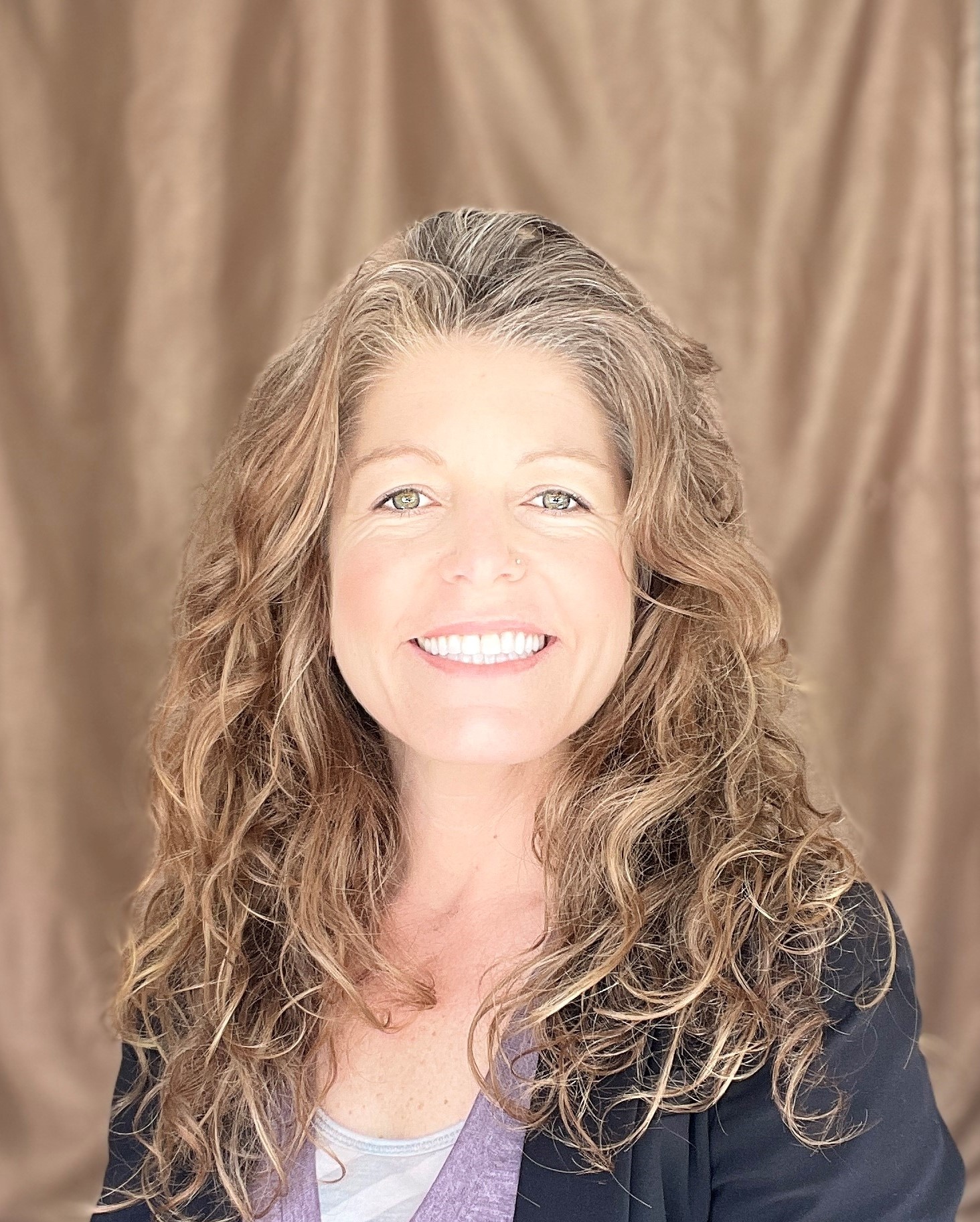

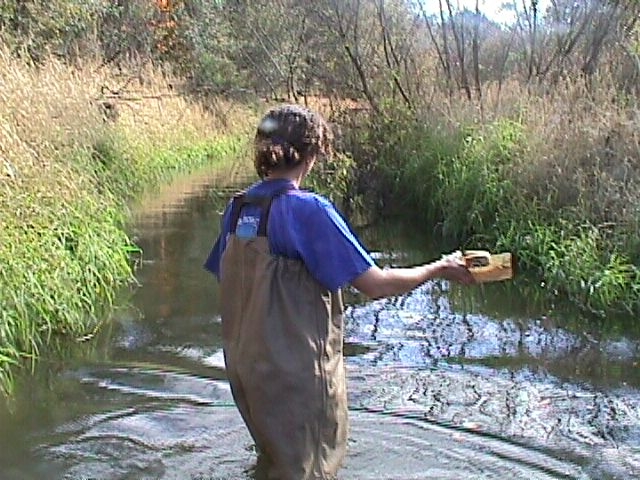

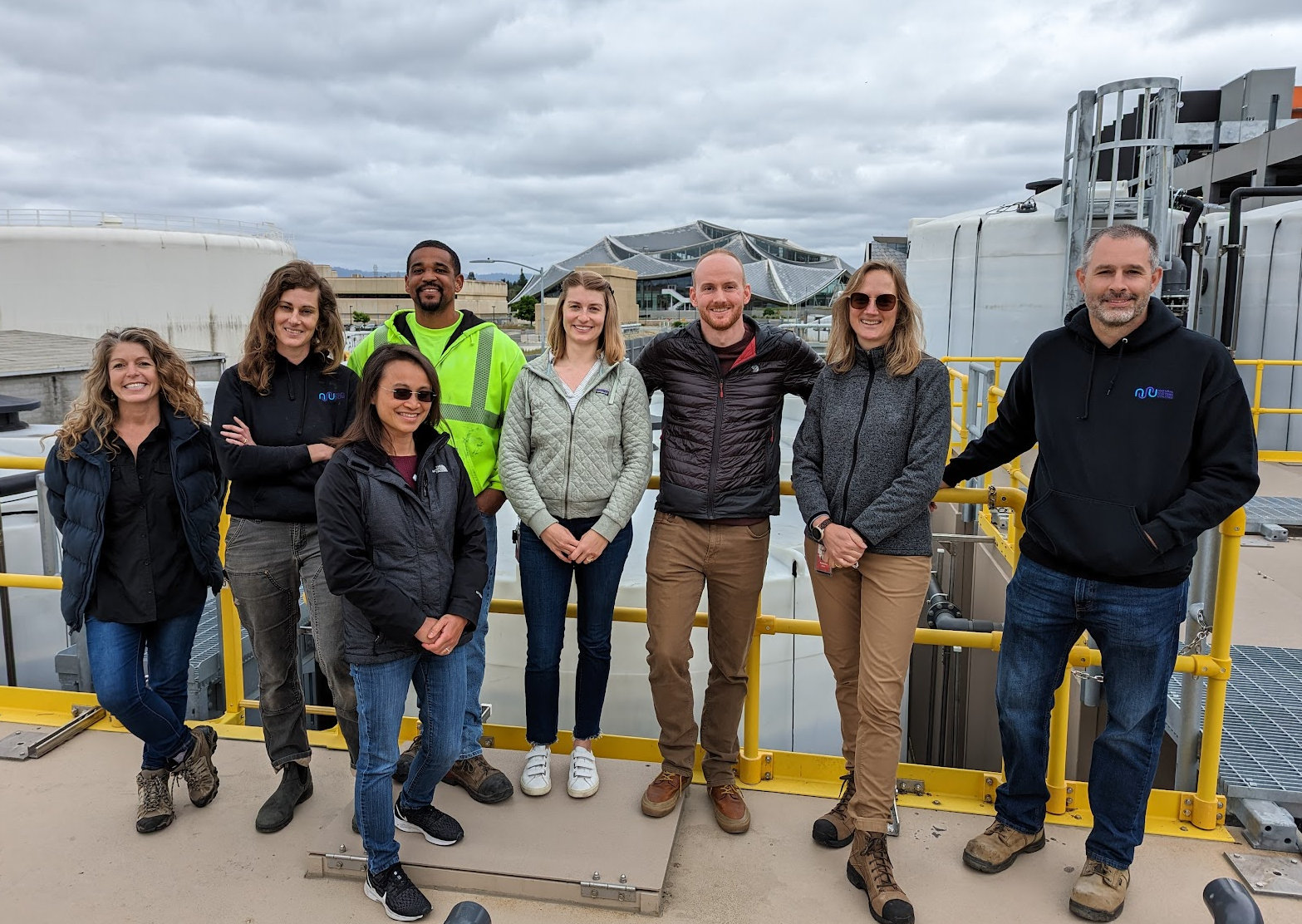

Melissa Gunter’s journey in the water field began with explorations of Florida’s diverse landscapes, from muggy swamps to crystal-clear spring-fed rivers, fostering a deep understanding of water’s importance. With degrees in civil engineering and ecological systems, along with diverse professional experiences in private consulting and government roles, Melissa has dedicated herself to protecting water resources. Her work as a water resource control engineer with the San Francisco Bay Regional Water Quality Control Board currently focuses on the intersection of water recycling, climate change, protection of surface and groundwater resources, and environmental justice. Melissa’s life and career experiences have shaped her into a staunch advocate for water conservation and sustainability, echoing Lucy Larcom’s sentiment that a single drop of water holds the universe’s history within it.
Q: Looking ahead, what are your aspirations for the future of water sustainability research and policy, both at the San Francisco Bay Regional Water Quality Control Board and in broader society?
A: My overarching vision is the expanded production, use, and admiration of recycled water on watershed and regional scales while collaborating at the state and local levels that inspire beyond. I aspire to continue implementing and influencing policy and regulatory actions that recognize recycled water as a reliable alternative water supply that can support California communities in becoming more resilient to the changing climate.
I want to be a part of the partnerships that bring to fruition the water resource management visions in California’s Water Supply Strategy, Water Resilience Portfolio, and EPA’s Water Reuse Action Plan, which serve as roadmaps to building equitable water resilience. These plans are catalysts for collaborative action and effective policy that support purpose and scale‐appropriate, multi-benefit approaches that protect the environment and the public.
I align with Peter Gleick’s perspective that we are awakening to the need to rethink how freshwater resources are distributed, managed, and used with a diverse water portfolio investing in centralized and decentralized facilities, efficient technologies and policies, and human capital.
Q: Can you share any lessons or insights you’ve gained from your experiences as a woman working in water resource management and engineering?
A: As a woman in water resource management and engineering, I have learned about the importance of effective communication, skills to navigate conflict aimed at resolution and reconciliation, and collaboration, even though the process can take longer. Additionally, it is important to actively listen, continue to learn, and aim for evidence-based and collective decision-making. Being resilient, adaptable, and open to new ideas and approaches has been essential for me in navigating the dynamic water resources field.
Q: Reflecting on your journey and experiences in the water sector, what advice would you give to your younger self or other aspiring professionals passionate about making a difference in water resources management and environmental stewardship?
A: To aspiring water resource professionals, integrate your voice, passion, values, curiosity, and intelligence (cognitive and emotional) to foster bold, collaborative action for equitable and sustainable water stewardship. I recommend approaching water resource projects and issues by engaging interdisciplinary, cross-sector, cross-jurisdictional, and diverse perspectives that center on One Water or an integrated water resource management approach that considers all beneficial users of the water resources. Contributing to ensuring water reliability, sustainable water solutions, and community resilience is meaningful and rewarding work, although challenging at times.
Sharlene Leurig, CEO at Texas Water Trade

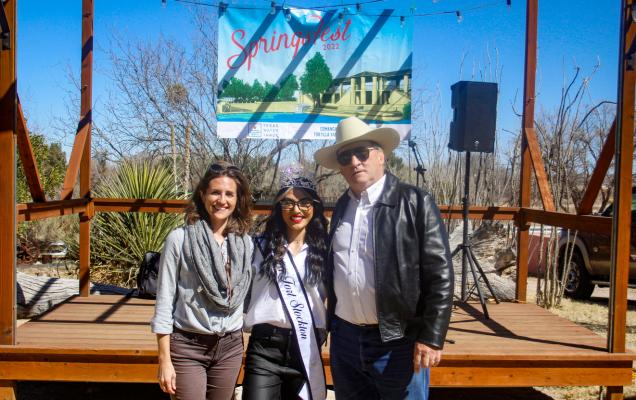
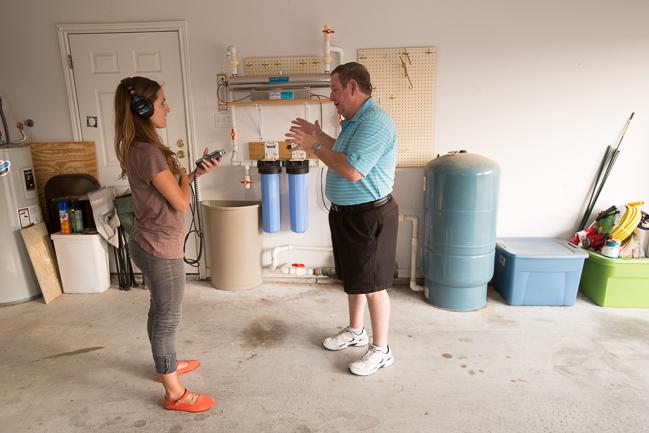
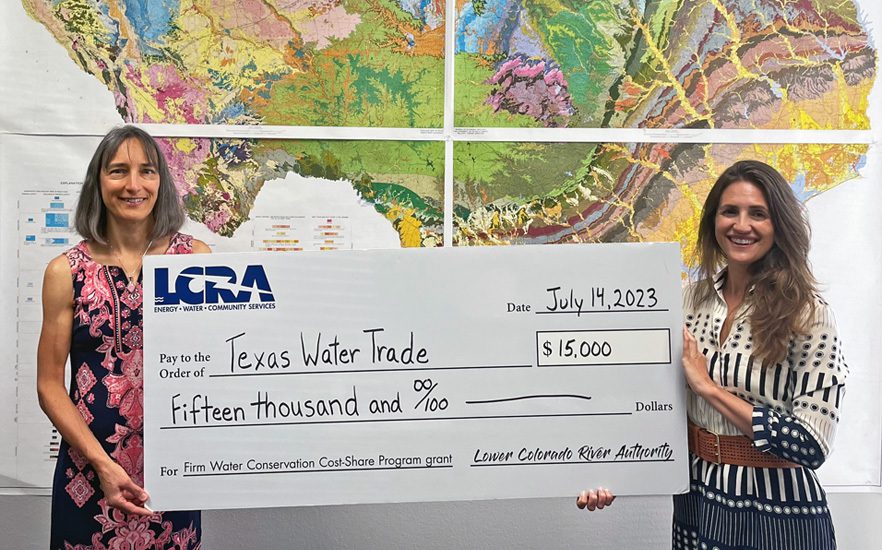
Sharlene Leurig founded Texas Water Trade in 2018, bringing a decade of experience in sustainable water finance, long-range water planning, and water transactions. Previously, she directed the Texas Environmental Flows Initiative, a collaboration of The Meadows Center for Water and the Environment, the Harte Research Institute, The Nature Conservancy and several other groups, to purchase water for the bays and estuaries of the Texas Gulf Coast. Her leadership extended to chairing the Austin Water Forward Task Force, culminating in a groundbreaking 100-year water plan adopted by the Austin City Council in 2018. Sharlene, a Draper Richards Kaplan Foundation Entrepreneur, holds a B.A in physics and english from Washington University in St. Louis and a master’s in city planning from MIT. She served as founding board chair of Vida Water PBC, a Texas Water Trade subsidiary providing clean water to underserved communities. She is currently serving as its Interim CEO.
Q: Can you share with us the inspiration behind starting Texas Water Trade and some of the key initiatives or projects you’ve undertaken to promote sustainable water management practices?
A: I founded TWT in 2018 after several years of working with leading Texas organizations that were trying to build water markets to sustain flows in our rivers and bays. I was new to both the world of water marketing and environmental flows as my background in water was more in the vein of infrastructure finance. So, it was a tremendous learning curve. I was willing to scale it because once I realized how precarious our state’s water supplies were and how severe the repercussions were for the natural systems that support us, I wanted to be part of something that demonstrated that we could create a future of water abundance if we designed to that end. Basically, I was very tired of accepting that prosperity and growth had to mean the degradation of the places that had brought me back to Texas in the first place.
Q: Throughout your career, have you received mentorship or guidance from other women in the water sector, and if so, how has their support influenced your professional development and leadership style?
A: Without question, watching other women build careers in water gave me the inspiration to test my mettle. Even in the past decade, seeing the sea change in our industry has been remarkable. So many other water organizations are now led by women, from water authorities to companies to nonprofits to government agencies. I remember being at a water conference 15 years ago with one of the water sector’s most iconic female leaders—a really indomitable force—and wondering if there was a way to channel her tough-as-nails demeanor while also leading in a way that felt right to me and on projects that I felt were the right projects. Thanks to the many other female mentors I’ve had, many of whom have served as members of our board of directors at Texas Water Trade and Vida Water, I hope others see that I’ve tried to develop a leadership style that blends tenacity with real compassion.
Q: In your experience, what are some key barriers or obstacles to achieving equitable access to clean water in Texas, and how do you believe these challenges can be addressed through policy, innovation, or community engagement?
A: The invisibility of water poverty is one of the biggest challenges we face. It’s shocking to read the stats on how many Texans still have no water services in their homes—about 130,000 at last count. It’s even more shocking when you realize we’re tracking unserved Texans in only 2% of our counties (6 out of 254). Here in the Austin region, hundreds of families spend their weekends filling up their water tanks at utility standpipes or relying on bottled water donations from community relief organizations. The problem is just as bad when it comes to wastewater services. Children at a nearby Central Texas public school district are known to have intestinal parasites due to a lack of wastewater controls in their community, but the problem goes unaddressed. That’s happening around the state.
Water inequity is often chalked up to too little money, but I think more often than not, it’s that the people who could work to implement a solution don’t feel the personal weight of persistent disease and indignity that comes from water poverty. It’s also because the people best equipped to drive change aren’t ready to advocate for next-generation infrastructure solutions that actually could be replicable in rural and disadvantaged areas. I am hopeful for change in that regard, and it’s why Texas Water Trade does the work we do on decentralized water infrastructure through our Net Zero Water program—hoping to demonstrate that we can create abundant, clean water for all if we are willing to adapt the way we provide water services.
Sivan Zamir, vice president, early-stage innovation & corporate venture at Xylem
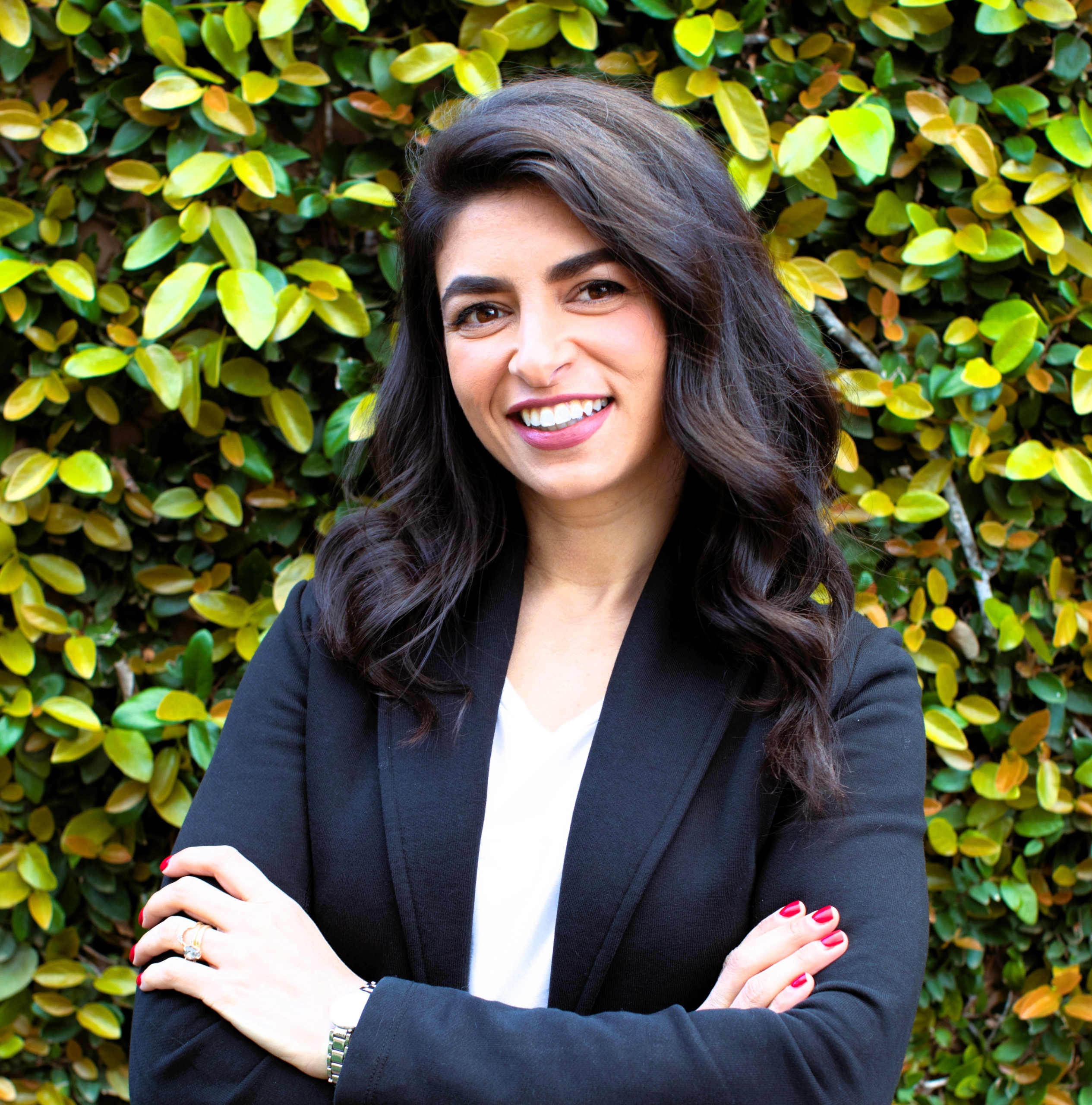
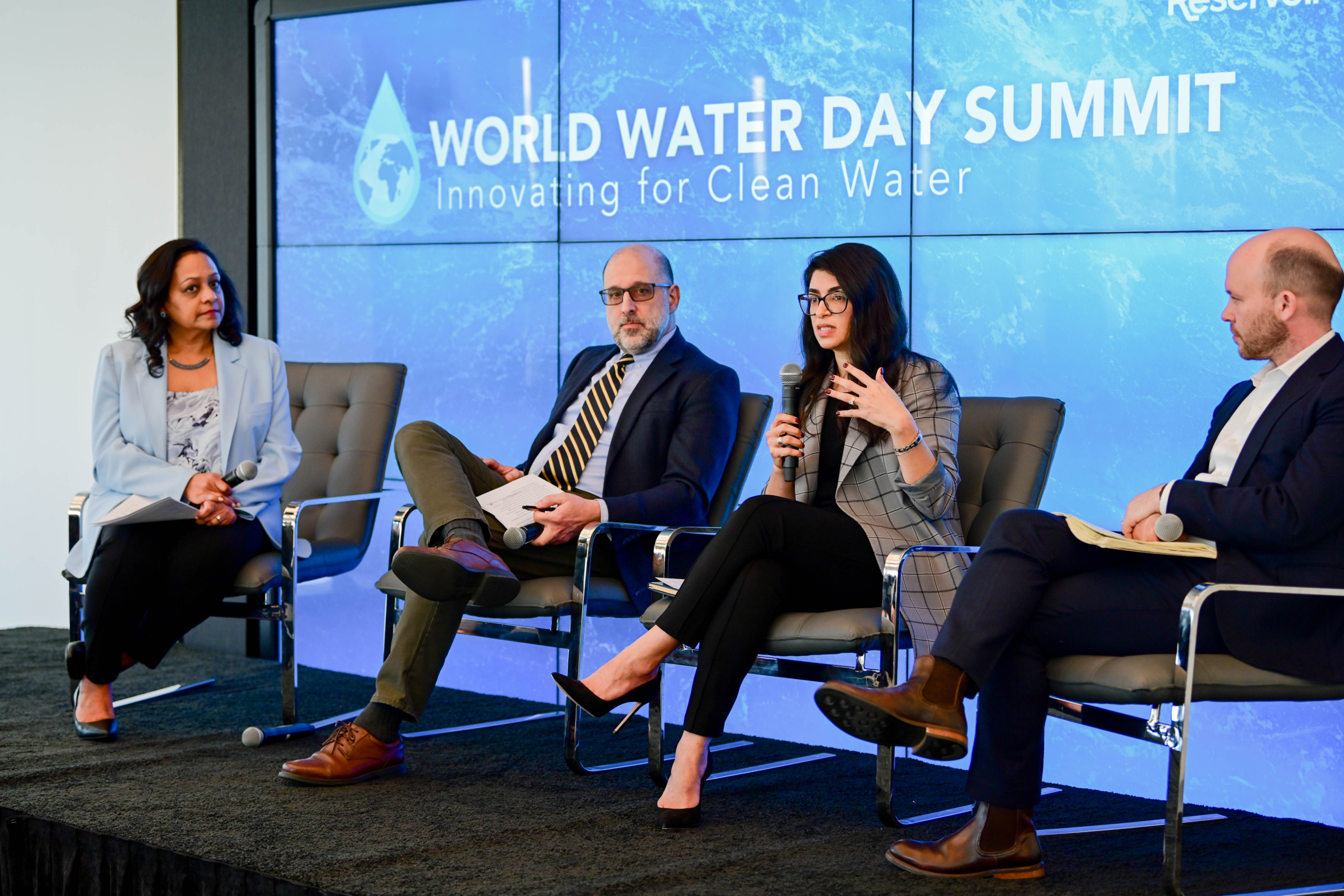
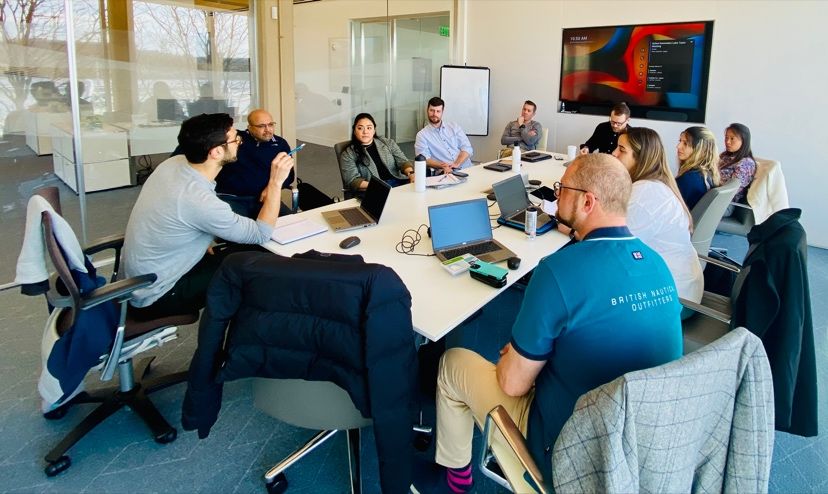

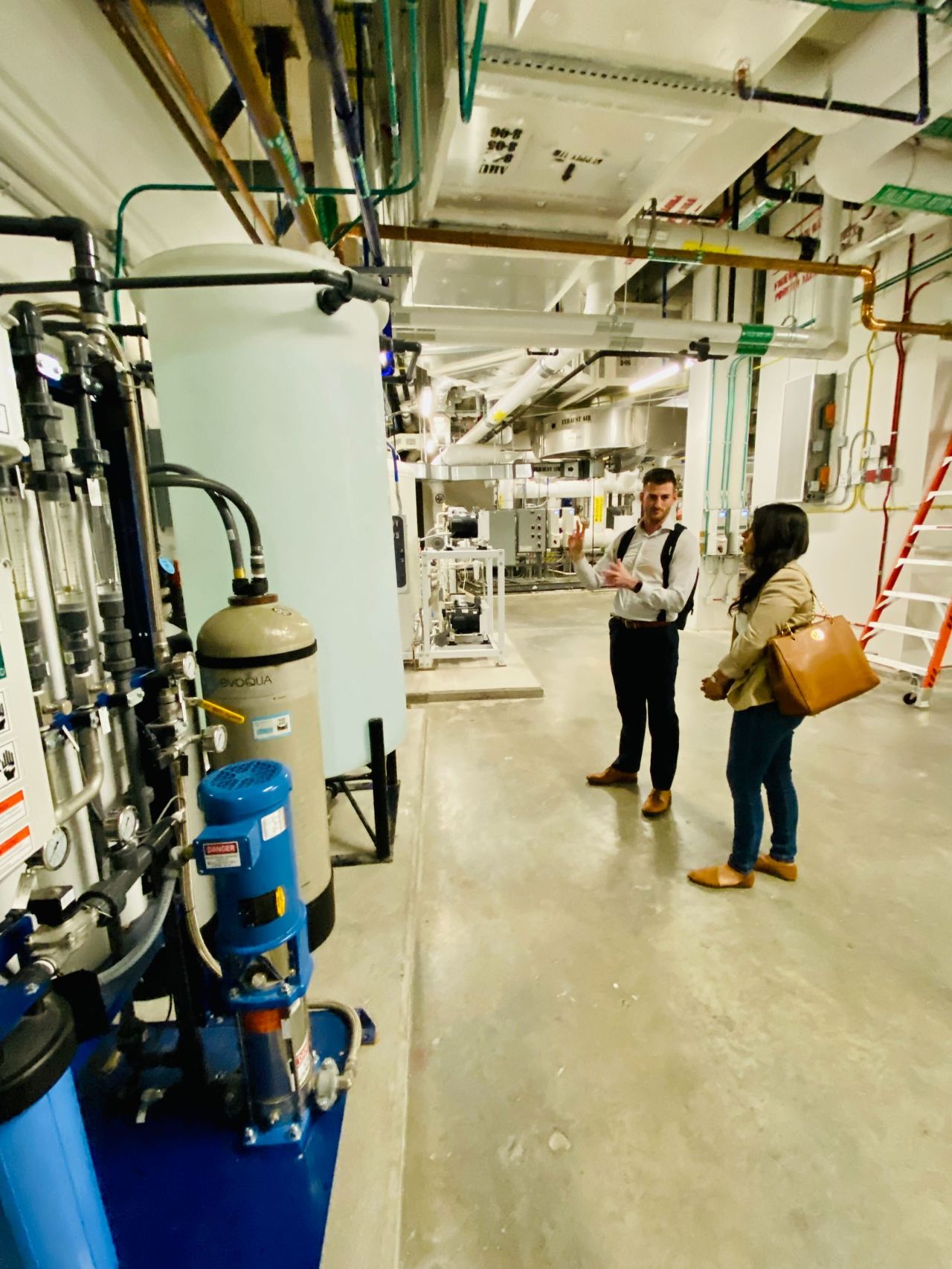

Sivan Zamir builds products, teams and companies, by the mantra “To go fast, go alone; to go far, go together.” A self-described creator of order from chaos, Sivan’s professional strength is bringing innovation and technology to conservative industrial markets. In 2021, she joined Xylem as VP of Corporate Innovation and Venture. At Xylem, she launched the Xylem Innovation Labs innovation partnerships and venture investing team that works with entrepreneurs around the world to accelerate the development and commercialization of innovations solving water scarcity, equity, and access. Before joining Xylem, Sivan spent over a decade in Israel as a founding member of IoT and digital twin startup companies. Prior, she managed major commercial and infrastructure construction projects across California. Sivan holds a bachelor’s and master’s in Civil Engineering from University of California Berkeley and Stanford University respectively. Outside of work, she can be found cheering in the stands while her husband coaches collegiate volleyball or hiking with her puppy Bamba Lulu.
Q: How does your role as the VP of Early-Stage Innovation & Corporate Venture at Xylem reflect your commitment to fostering innovation and collaboration within the water technology industry? Are there any examples that you are proud of?
A: I’m privileged to contribute to advancing water innovation. With a background in founding digital startups in the water sector, I’ve always been intrigued by the corporate side’s potential to support entrepreneurs and accelerate innovation to tackle urgent issues like climate change.
In the last three years, we launched Xylem Innovation Labs, Xylem’s platform for corporate innovation partnerships and venture investing. Through initiatives like the Xylem Partnerships Accelerator, we collaborate with startups to explore how we can fast-track technical development and commercialization of promising innovations that will make a difference to users of water globally.
I’m also particularly proud of leading Xylem’s anchor investment in Burnt Island Ventures, which fuels early-stage water technology companies. Even once funded, there is often friction for startups in moving beyond the piloting stage and to full-scale commercial adoption. Here, we have supported innovative financing models like the Isle Utilities ‘Trial Reservoir’ private revolving loan fund that bridges the gap from technology pilots to full-scale installations. It’s at that point where Xylem Innovation Labs is positioned to collaborate with startups to scale their innovations to drive positive change.
Q: How do you prioritize mentorship and education for women in your personal and professional life as a leader and entrepreneur in the water industry?
Fundamentally, innovation thrives on collaboration and the people behind it. Women, constituting half of the global population, bring invaluable perspectives and skills to the table, particularly in fostering deep relationships and spearheading systems thinking critical to addressing water challenges.
Personally, my journey has been significantly shaped by remarkable mentors, many of whom are women. They have provided guidance on various aspects of my career growth, navigating complex situations, and balancing personal and professional life. Recognizing the importance of mentorship, I’m committed to paying it forward by actively engaging in both formal and informal mentor relationships. I am also active in our women’s and Diversity, Equity, and Inclusion (DEI) networks at Xylem and actively speak and participate in conferences to amplify the voices of women in our field.
Additionally, I believe in the power of diversity in driving innovation. One tangible action we can take is to ensure diverse slates of candidates during the hiring process. By providing equal opportunities and considering a balanced group of candidates, we not only promote inclusivity but also enhance the talent pool, leading to more innovative and effective teams.
Q: Balancing time between the hardhat of industrial settings and the boardroom of strategic planning requires versatility and adaptability. How do you navigate between these different environments, and what skills do you find most essential in bridging the gap between technical expertise and business leadership?
A: My career journey has revolved around building – whether it’s physical structures in construction, innovative products, cohesive teams, or successful companies. What truly fascinates me is the process of rallying diverse talents and experiences to turn abstract ideas into tangible realities that add value to the world. In industries like construction, industrial, and technology, navigating the transition from strategic planning to execution requires a delicate balance between technical expertise and business acumen. For me, it’s been a two-pronged approach.
Firstly, gaining firsthand knowledge across a breadth of technical areas has been crucial. While I don’t claim to be an expert in everything, immersing myself in tasks like operating machinery, understanding tools and lab equipment, and actively participating in field operations has provided invaluable insights and credibility, particularly when collaborating with technical specialists.
But technical prowess alone isn’t enough. Effective communication is key. Too often, technical discussions are bogged down by jargon and complexity. That’s where storytelling comes in. Crafting compelling narratives that resonate with stakeholders to illustrate the broader impact and value of our endeavors is essential to tie technical details to business strategy. For those looking to enhance their communication skills, I highly recommend exploring avenues like public speaking courses or joining organizations such as Toastmasters. The ability to articulate ideas effectively is paramount in driving successful outcomes.
The future is female
These extraordinary women in the water industry have shed light on the remarkable achievements and dedication women bring to this traditionally male-dominated field. Their insights, experiences, and passion for water not only demonstrate their expertise but also serve as inspiration for future generations of female leaders. As we continue to advocate for diversity and inclusion in the water sector, it’s clear that empowering women in leadership positions is essential for addressing the complex challenges facing our communities and ensuring a sustainable future for all.